General Interest Opposition to the War Message: Thoughts from Robert M. La Follette & George W. Norris I am bitterly opposed to my country entering the war, but if, notwithstanding my opposition, we do enter it, all of my energy and all of my power will be behind our flag in carrying it on to victory.
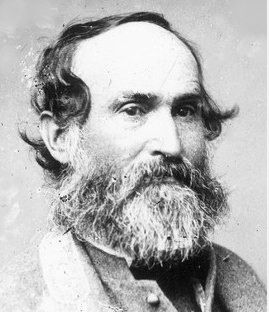
General Interest Jubal A. Early: A Letter to his Father Requesting Permission to Fight with the Texans The great end of all education is to expand the mind and gain a knowledge of human nature. What is more calculated to expand the mind than the espousing and working in the cause of liberty?
General Interest "The Four Horsemen of the Apocalypse": Excerpt from Vicente Blasco Ibáñez And there appears a pale-colored horse. His rider is called Death, and power is given him to destroy with the sword and with hunger and with death, and with the beasts of the earth.
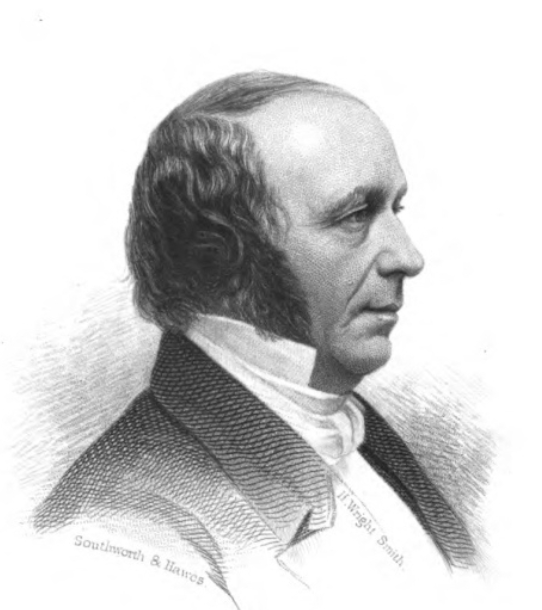
Civil War The Constitution and Fugitive Slaves: Thoughts by Nehemiah Adams, 1854. The Constitution of the United States must not be nullified in its fugitive slave provision . . . unless we seek to make a revolution.
Classic Civilizations The Battle Drums of the Parthians. Plutarch, circa AD 100-120. They have, it seems, correctly observed that the sense of hearing has the most disturbing effect on us of all our senses, most quickly arouses our emotions and most effectively overpowers our judgement.
Classic Civilizations The First Triumvirate--A Look into its Political Dynamics: Thoughts by Plutarch, circa AD 100-120. . . . it was the sober and conservative elements in the city which followed Pompey, and the violent and easily unsettled types who hung on the hopes of Caesar, while Crassus took up a position between the two and made use of each.
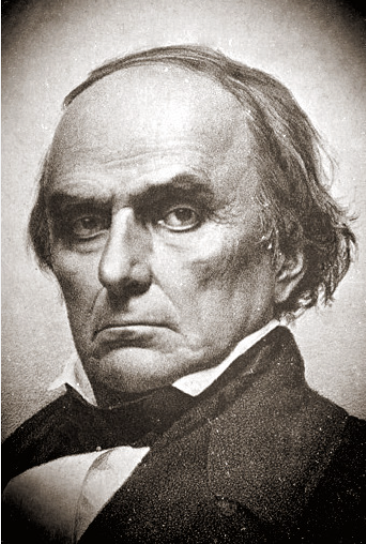
General Interest "Reform of the Naturalization Laws": A speech by Daniel Webster, 1844. There is not the slightest doubt that in numerous cases different persons vote on the strength of the same set of naturalization papers . . .
Civil War The Mud Sill Speech in the U.S. Senate: James Henry Hammond, March 4, 1858 The Senator from New York said yesterday that the whole world had abolished slavery. Aye, the name, but not the thing; all the powers of the earth cannot abolish that.
Civil War A Bribe offered to the South: Thoughts by Edward Alfred Pollard, 1865 We cannot anticipate what bribes may be offered the South to confederate again with the North. But one has been already suggested in the North: it is, to find an atrocious compensation for the war in a combined crusade against foreign nations.
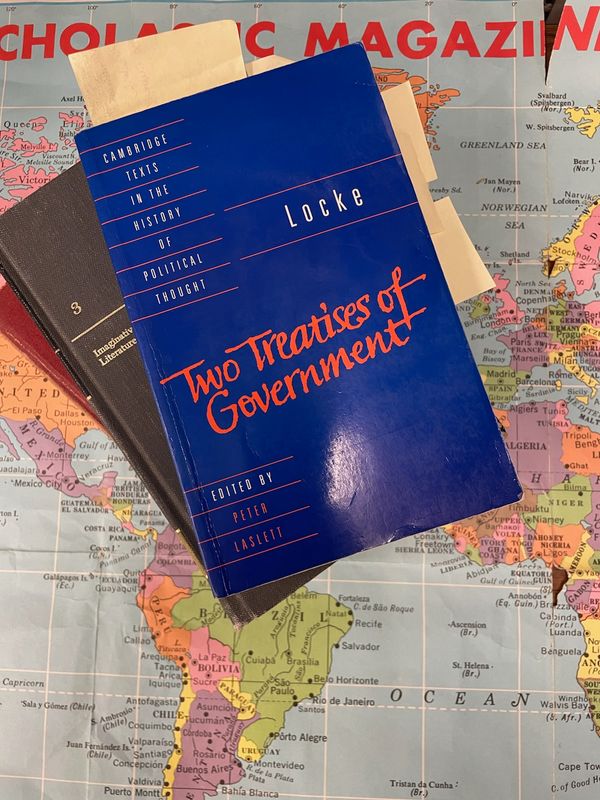
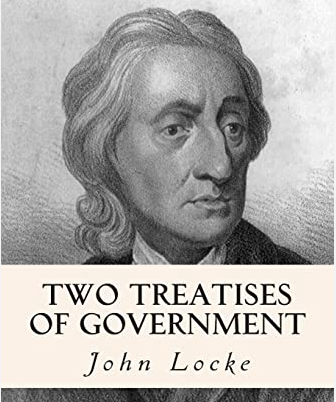
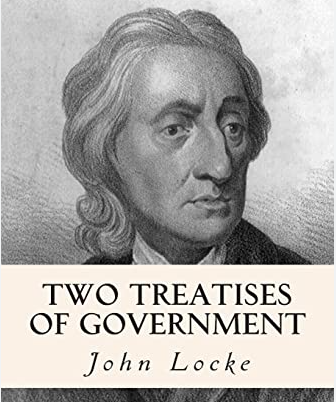
Founding Era On the Dissolution of Government: Thoughts by John Locke, Two Treatises on Government This is in effect no more than to bid them first be Slaves, and then to take care of their Liberty; and when their Chains are on, tell them, they may act like Freemen.
Founding Era "When a King Ceases to be King." John Locke analyzing William Barclay. What then, Can there no Case happen wherein the People may of right, and by their own Authority help themselves, take Arms, and set upon their King, imperiously domineering over them?
Federalist Human Nature is Against a Plurality in the Executive: Thoughts by Alexander Hamilton, Federalist 70 Men often oppose a thing merely because they have had no agency in planning it, or because it may have been planned by those whom they dilike.
Federalist Energy in the Executive: Thoughts by Alexander Hamilton, Federalist No. 70 A feeble execution is but another phrase for a bad execution; and a government ill executed, whatever it may be in theory, must be, in practice, a bad government.
Founding Era The Efficacy of Paper to Govern: Thoughts by John Francis Mercer at the Constitutional Convention, 1787. The paper will only mark out the mode and the form. Men are the substance, and must do the business.
Founding Era Executive Salaries: Thoughts by Benjamin Franklin, Constitutional Convention, June 2, 1787 Sir, there are two passions which have a powerful influence on the affairs of men. These are ambition and avarice; the love of power, and the love of money.
Federalist The Necessity of Virtue among the People as a Safeguard of Good Government. Thoughts by James Madison, Virginia Ratifying Convention, June 20, 1788. Is there no virtue among us? If there be not, we are in a wretched situation.
Federalist Suffrage and Majority Rule: Thoughts by James Madison, 1829. The essence of government is power; and power, lodged as it must be in human hands, will ever be liable to abuse.
Founding Era "A Candid State of Parties." Thoughts by James Madison, September 26, 1792. It will be equally their true policy to weaken their opponents by reviving exploded parties, and taking advantage of all prejudices, local, political, and occupational, that may prevent or disturb a general coalition of sentiments.
Founding Era The People, The States, The Federal Government & Militias: Thoughts by James Madison, Federalist 46. Let us not insult the free and gallant citizens of America with the suspicion, that they would be less able to defend the rights of which they would be in actual possession, than the debased subjects of arbitrary power would be to rescue theirs from the hands of their oppressors.
Founding Era Three Species of Government: Thoughts by James Madison, February 20, 1792. Such a government, wherever to be found, is an imposter.
Founding Era The Benefits of a Large Republic: Thoughts by James Madison, April 1787. The society becomes broken into a greater variety of interests, of pursuits of passions, which check each other, whilst those who may feel a common sentiment have less opportunity of communication and concert.
Anti Federalist The Effects of Limited or Absolute Government in Historical Context: Thoughts by Agrippa, November 23, 1787 If we examine the present state of the world we shall find that most of the business is done in the freest states, and that industry decreases in proportion to the rigor of government.
Classic Civilizations Advice for Augustus: Thoughts by Maecenas The truth is that the supposed freedom of the mob proves in reality to be the bitterest servitude, under which the better elements suffer at the hands of the worse, until in the end both are destroyed.
Political Philosophy Of the Ends of Political Society and Government: Thoughts by John Locke Thus Mankind, notwithstanding all the Privileges of the state of Nature, being but in an ill condition, while they remain in it, are quickly driven into Society . . . and therein seek the preservation of their Property.
Political Philosophy The Law of Nature vs. Political Society: Thoughts by John Locke But because no Political Society can be, nor subsist without having in it self the Power to preserve the Property, and in order thereunto punish the Offenses of all those of that Society; there, and there only is Political Society . . .